Open interest explained: what a drop from the peak tells you
On this page
Headlines like “open interest fell sharply from its peak” are common in crypto derivatives coverage. Open interest is simple to define and easy to misread, so it is worth knowing what it measures before drawing conclusions.
What open interest counts
Every futures or perpetual contract has a buyer (long) and a seller (short). Open interest is the total number, or dollar value, of contracts that are still open — not yet closed or settled.
It rises when new positions are opened and falls when existing positions are closed, whether voluntarily or through liquidation.
Open interest is not volume
Volume counts every trade during a period. If one trader closes a long by selling it to another trader who opens a new long, volume goes up but open interest does not change. High volume with flat open interest means positions are changing hands rather than building up.
Reading it together with price
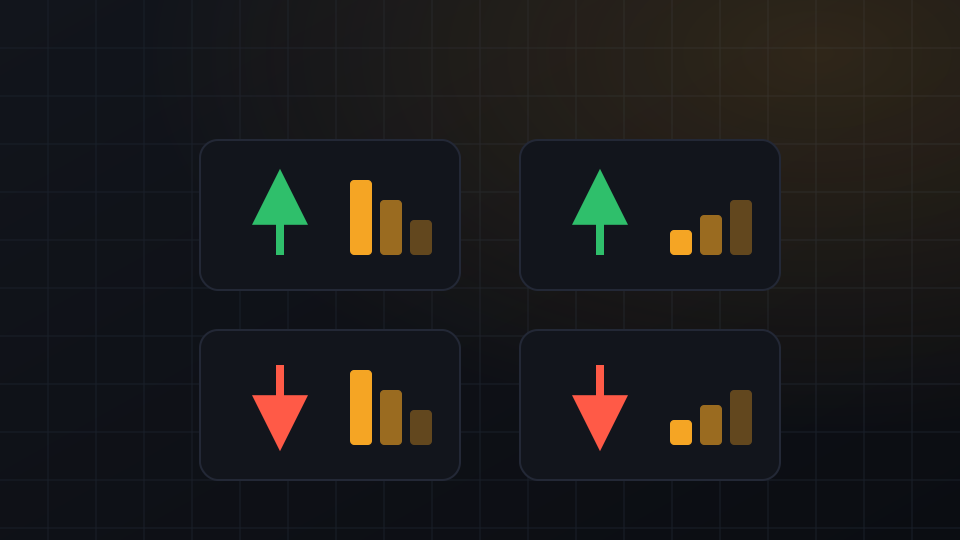
Open interest only becomes useful next to price. A common way to read the four combinations:
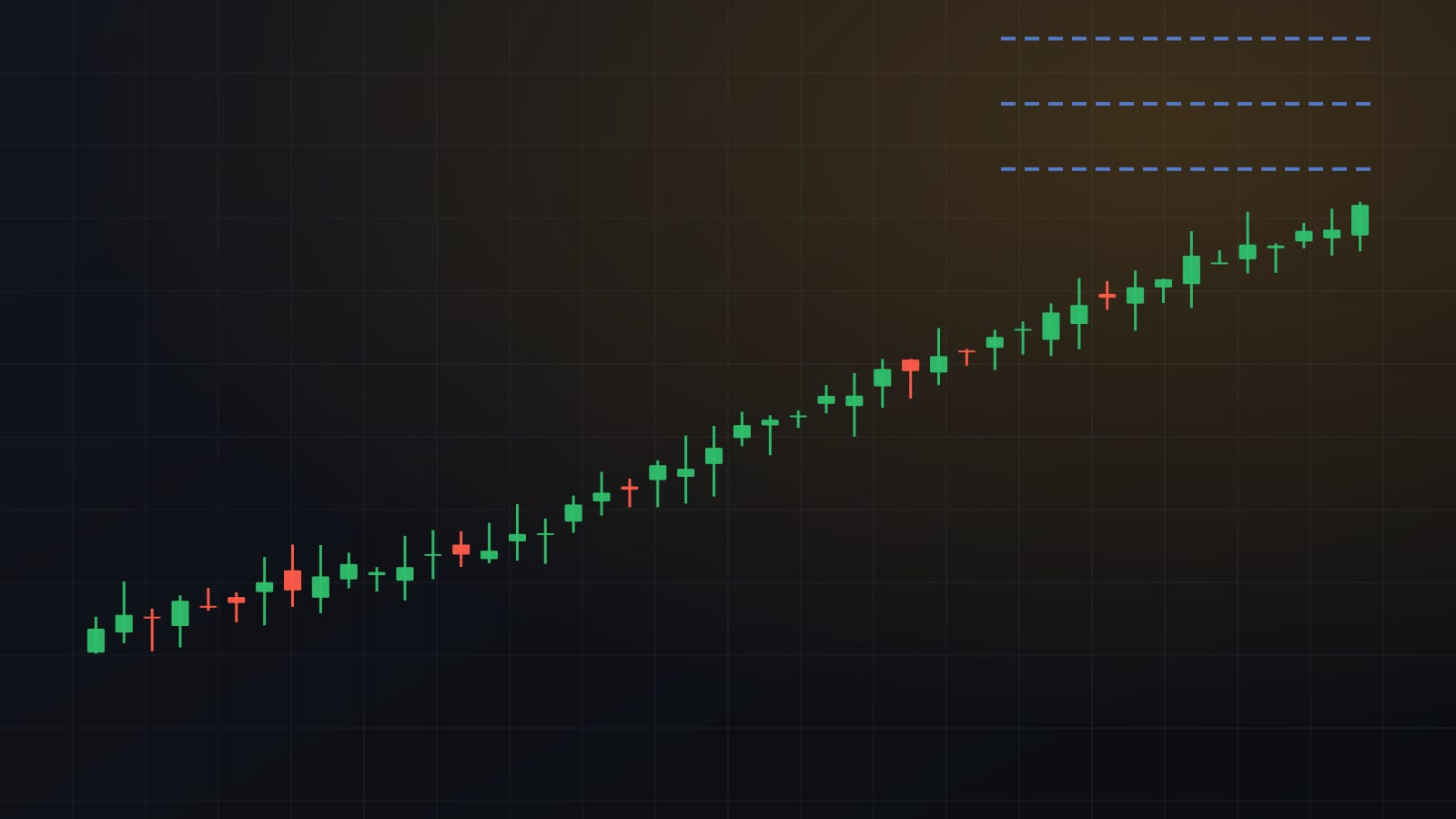
- Price up, open interest up: new positions are joining the move.
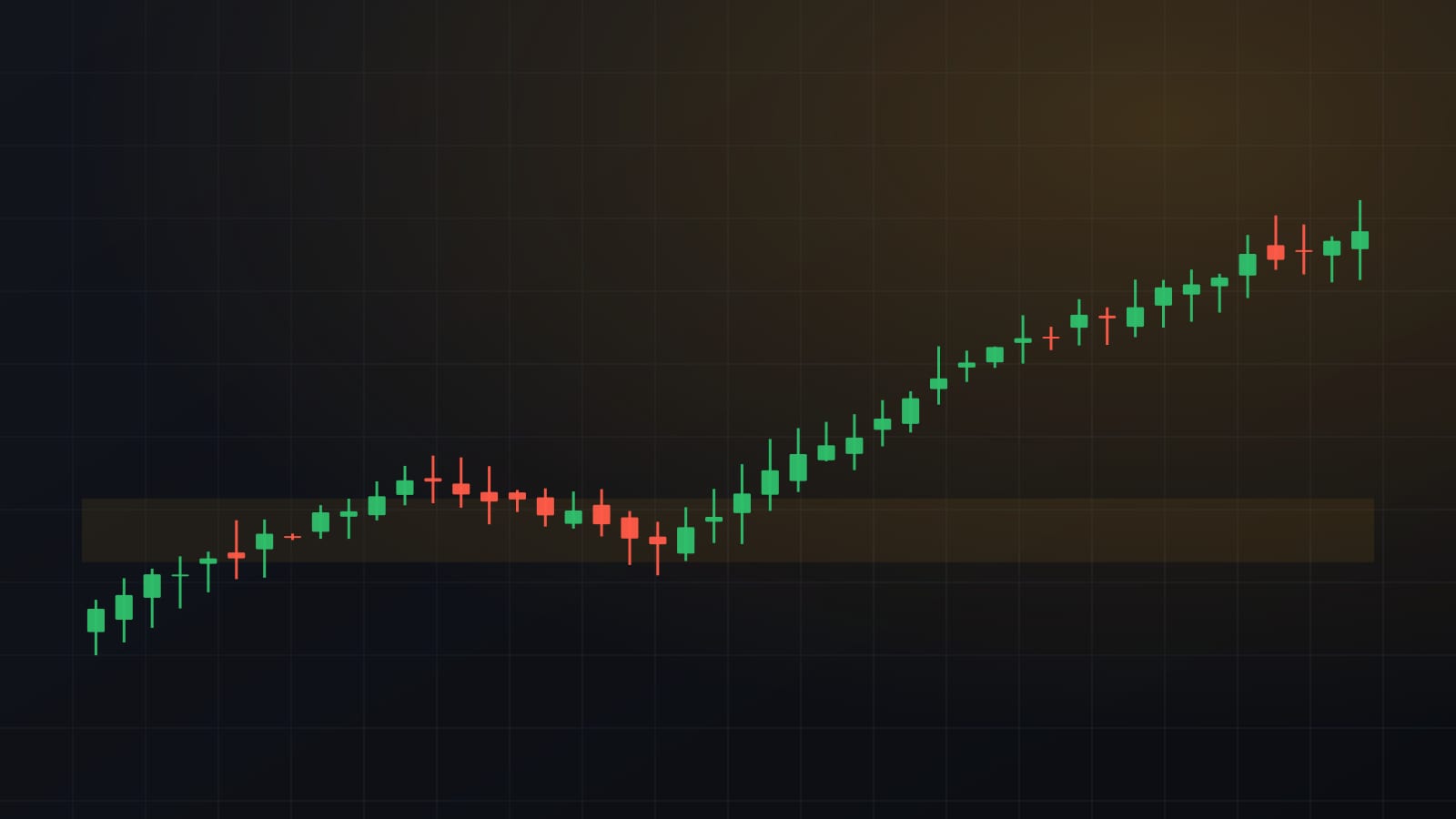
- Price up, open interest down: shorts are closing, which can push price up without new buying.
- Price down, open interest up: new positions, often shorts, are joining the fall.
- Price down, open interest down: longs are closing or being liquidated.
What a fall from the peak means
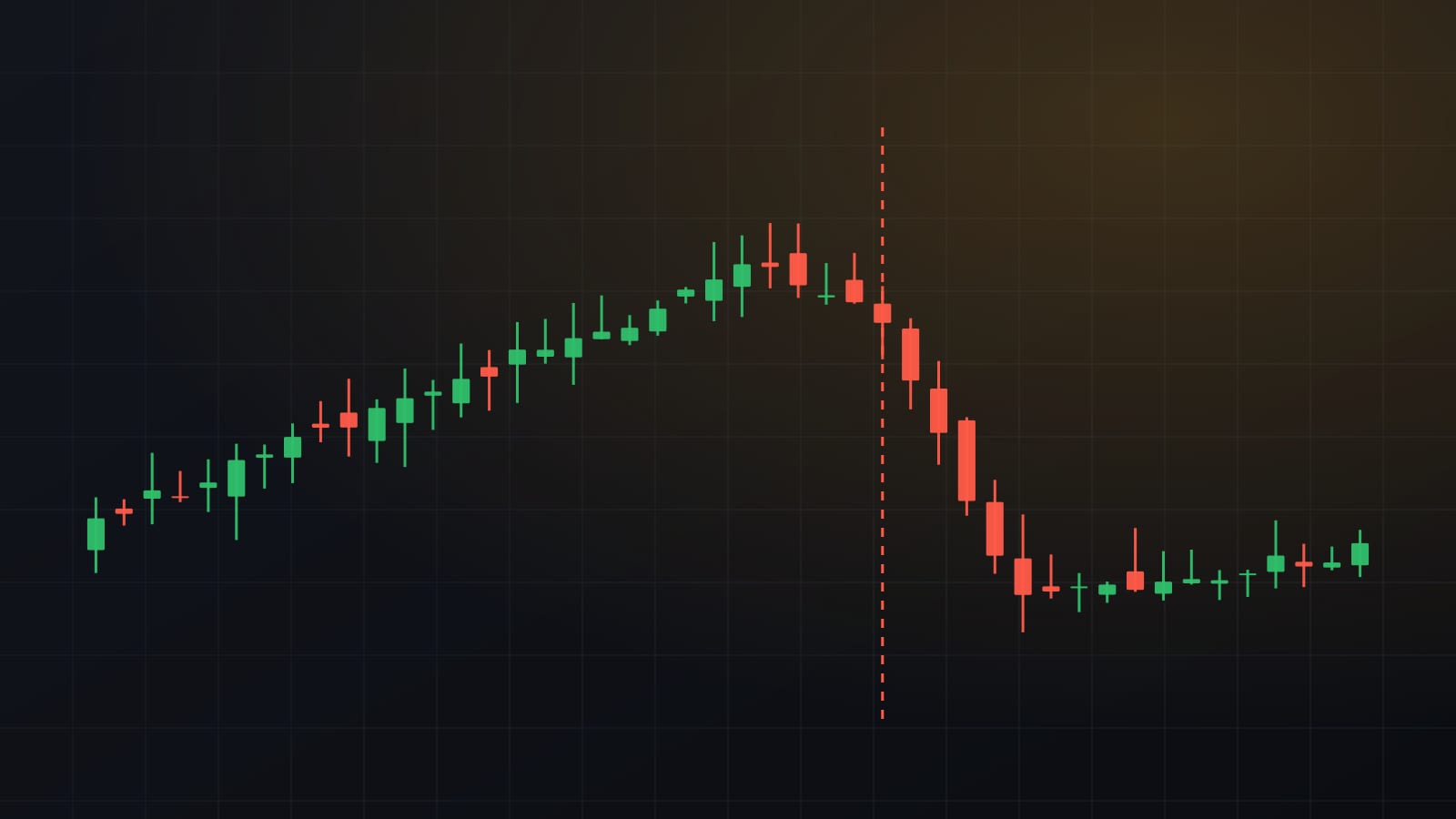
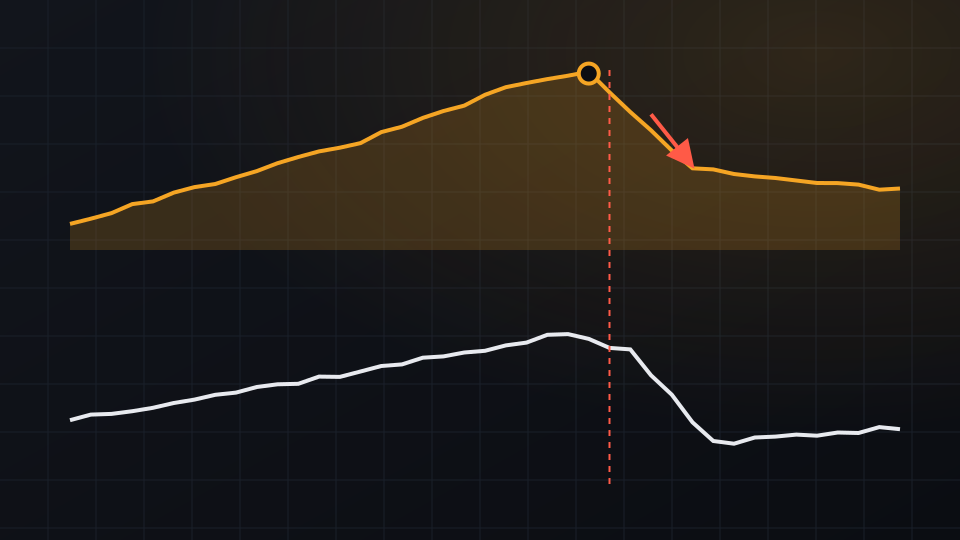
When open interest drops a long way from its high, a large amount of leverage has left the market. That can follow a wave of liquidations, or traders simply stepping back. Less leverage can mean smaller forced moves in either direction, but it does not tell you which way price will go next.
Futures and perpetual contracts use leverage. Leveraged positions can lose more than the margin deposited, and liquidations happen fastest when open interest is high.
For education only, not financial advice. Crypto assets and stocks are volatile, and leveraged positions can lose more than the money you put in.
Get one like this every week
A five-minute market brief in your inbox each Monday. Free, unsubscribe anytime.
Or follow the Telegram channel @isoskwllsMarket now
Latest news